Know Your Seasons: What Yabby Biology Reveals About Tracking Your Own Gaming Peaks and Slumps
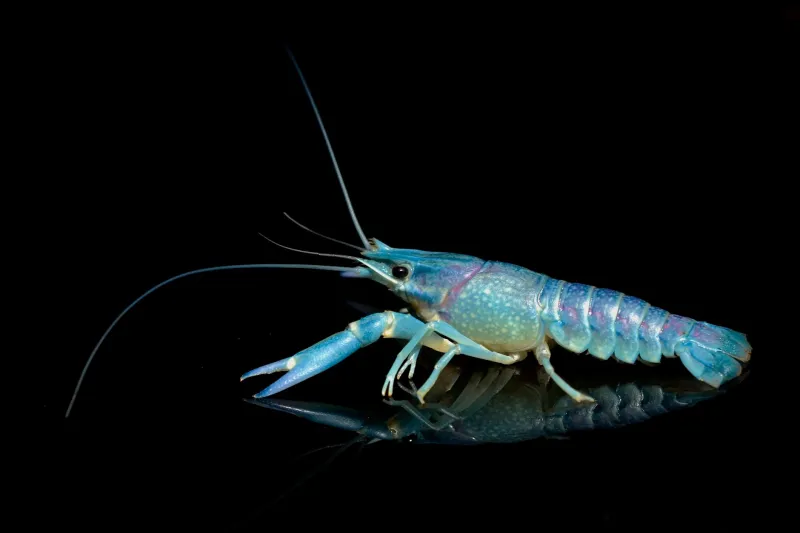
There's a bloke out at a research station near Canberra who spends his days monitoring freshwater crayfish in controlled tanks, logging every behavioural shift, every feeding pattern, every subtle change in activity level. He's not doing it for fun — well, maybe a little — he's doing it because yabbies are predictable, and predictability, in biology as in gaming, is power.
Here's what he knows that most Aussie punters don't: the moult cycle isn't random. It's a deeply structured biological rhythm that governs when a yabby is at its strongest, when it's dangerously exposed, and when it needs to pull back entirely and let its new shell harden. Miss that rhythm, and you're a soft-shelled crustacean out in the open, waiting to get eaten.
Miss your rhythm at the tables, and you're basically the same thing.
The Biology First: What Moulting Actually Is
For the uninitiated, moulting — or ecdysis if you want to sound clever at a dinner party — is the process by which a yabby sheds its rigid exoskeleton to grow. The old shell splits, the yabby pulls itself free, and for a period ranging from hours to several days, it exists in a state of radical vulnerability. Its new shell hasn't hardened yet. It can't defend itself. It can barely move properly.
But here's the kicker: this isn't a crisis. It's a cycle. Marine biologists and freshwater ecologists don't panic when they see a soft-shelled yabby. They note it, log it, and adjust their expectations accordingly. They know what preceded it — elevated feeding, behavioural restlessness, a kind of pre-moult agitation — and they know what comes after: a period of rapid growth, followed by a hardened, stronger animal.
The cycle is readable. That's the whole point.
Your Gaming Life Has the Same Architecture
Most punters treat their performance at the tables like the weather — something that just happens to them, unpredictably and without warning. A good week is a gift. A rough patch is bad luck. The idea that their wins and losses might follow a traceable personal pattern rarely crosses their minds.
But spend a few months actually logging your sessions — not just your outcomes, but your mood, your sleep quality, your stress levels, even what you ate that day — and something strange starts to emerge. Patterns. Seasons. A rhythm that, once you see it, you can't unsee.
Some players are consistently sharper on certain days of the week. Others notice their risk appetite spikes during high-stress periods at work, leading to sessions where they're chasing losses with an urgency that has nothing to do with the game itself. There are players who perform brilliantly in the morning and make genuinely baffling decisions after 9pm. There are punters who, every few weeks, hit a slump that lasts three to four days before they bounce back sharper than ever.
That slump? That's your soft-shell phase. And it's coming whether you track it or not.
What Marine Biologists Actually Do (And What You Should Steal From Them)
Researchers who study yabby populations don't just observe — they document. Every observation gets logged with context: water temperature, time of year, feeding behaviour in the preceding days, population density in the tank. They're building a model, and the model gets more accurate the more data they feed into it.
You can do the exact same thing with a notes app on your phone.
Start simple. After every session, jot down three things: how you felt going in, how you played, and how you felt coming out. Rate your energy and focus on a scale of one to ten. Note anything unusual about your day. Do this for six to eight weeks, and you'll have a dataset that most punters never bother to build.
The insights that emerge are often confronting. You might discover that your "lucky Fridays" are actually just sessions where you're more relaxed and patient, and that your Tuesday losses correlate almost perfectly with a weekly work stressor. You might find that your boldest, most confident sessions happen right after a good night's sleep, and that your worst decisions cluster around periods of social stress or fatigue.
None of this is mystical. It's just data. And data, as any marine biologist will tell you, changes how you operate.
Recognising the Pre-Moult Warning Signs
Yabbies show behavioural shifts before they moult — reduced feeding, increased restlessness, a tendency to hide. Experienced observers know what to look for. You need to develop the same eye for your own pre-slump signals.
Common ones that Aussie punters report, once they start paying attention:
- Decision fatigue masquerading as confidence. You feel bold and decisive, but it's actually because your brain is too tired to properly assess risk. You're not sharp — you're numb to caution.
- Session creep. Your sessions are getting longer without a conscious decision to extend them. You're chasing a feeling rather than playing to a plan.
- Irritability at variance. Normal swings in luck are starting to feel personal. Bad beats are landing harder than they should.
- The "one more round" reflex. You're finishing sessions on someone else's terms — the game's terms — rather than your own predetermined exit points.
These aren't signs of weakness. They're biological signals, as readable as a yabby's pre-moult agitation, if you know to look for them.
Building Your Personal Gaming Calendar
Once you've got a few months of logged data, start looking for macro patterns. Are there certain weeks of the month where you consistently underperform? Do your best sessions cluster around particular times of year? Are there lifestyle factors — exercise, alcohol, social commitments — that reliably correlate with your gaming quality?
This is where the marine biologist analogy gets genuinely useful. Researchers don't just observe individual moult events — they build seasonal calendars for their populations. They know when the tank is likely to be full of soft-shelled animals and adjust their protocols accordingly.
You can build a seasonal calendar for yourself. Mark your historically strong periods — the times when you're sharp, patient, and making good decisions — and protect them. Schedule your more ambitious sessions for those windows. And mark your soft-shell periods just as clearly. During those stretches, play conservatively, shorten your sessions, or take a break entirely.
This isn't pessimism. It's strategy.
The Hardening Phase: What Comes After the Slump
Here's the part that makes the whole cycle worth understanding: after the soft-shell phase, yabbies emerge harder, larger, and more capable than before. The vulnerability wasn't a setback — it was the price of growth.
Punters who track their cycles report the same thing. The slumps, when you navigate them consciously rather than thrashing through them, tend to precede periods of clearer thinking and better play. You've rested the decision-making muscle. You've stepped back from the table during your most vulnerable window. You come back with a harder shell.
The marine biologist at his tank in Canberra knows exactly when his yabbies are soft. He's not worried about it. He's just watching, logging, and waiting for the hardening.
Maybe it's time you started doing the same.