Sitting Out Is a Strategy: What Yabby Season Teaches Aussie Players About Knowing When to Hold Back
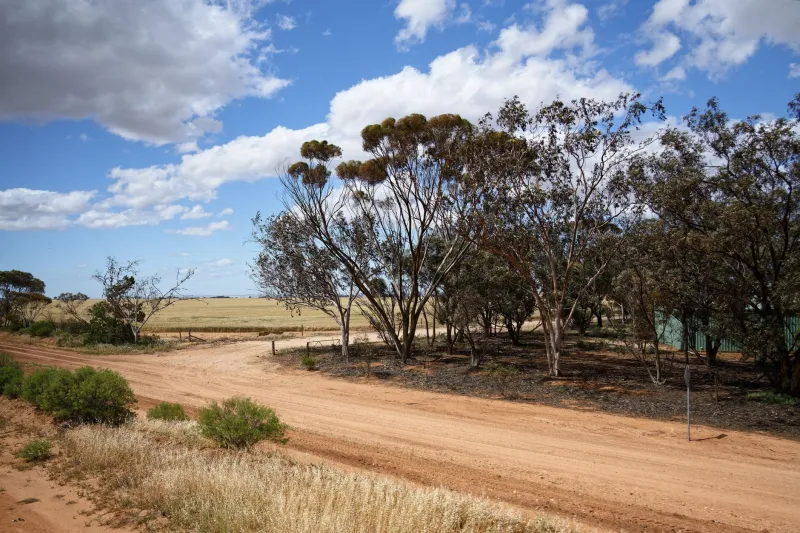
There's a particular kind of wisdom that lives in the people who spend their weekends knee-deep in a dam somewhere west of Dubbo, checking yabby pots in the early hours before the heat kicks in. It's not flashy wisdom. You won't find it in any self-help book or motivational podcast. But it's real, and it works — and it applies directly to how Australians approach online gaming.
Here's the core of it: the best yabby fishermen don't fish every day. They wait. They read conditions. They pull their traps when the time is right and leave them in the shed when it isn't. And by doing so, they consistently outperform the blokes who are out there every single morning regardless of season, temperature, or water levels.
That principle — strategic restraint — is one of the most underrated concepts in online gaming culture. And yet almost nobody talks about it.
The Off-Season Isn't Downtime, It's Preparation
Yabby season in Australia typically peaks during the warmer months, roughly from late spring through summer, when water temperatures rise and the crustaceans become more active and easier to trap. Experienced yabby hunters know this cold. They plan around it. During the colder months, they're not out there flogging the same dams and getting nothing — they're maintaining gear, scouting new locations, and generally setting themselves up for when conditions turn favourable again.
Now map that onto gaming behaviour. Research into player patterns consistently shows that a significant portion of losses occur during what you might call "low-condition" sessions — periods where a player is tired, emotionally flat, chasing previous losses, or simply playing out of habit rather than intent. These sessions aren't neutral. They actively drag down overall returns.
The players who recognise their own off-seasons — whether that's a rough week at work, a string of bad beats, or just a general sense of being off their game — and actually step back during those periods, tend to perform meaningfully better across longer timeframes. It's not magic. It's just the same logic a good yabby hunter applies to a cold dam in July.
What 'Chasing Every Game' Actually Costs You
There's a particular psychological trap that catches a lot of Aussie punters, and it's embarrassingly simple: the belief that more sessions equals more opportunity. It sounds logical on the surface. More time playing means more chances to win, right?
Not really. What more sessions actually means is more exposure to variance — and crucially, more sessions played under suboptimal conditions. A player who logs on when they're frustrated, distracted, or already down for the week isn't operating at their sharpest. Their decision-making is compromised. Their risk tolerance is skewed. They're essentially setting traps in a dam that's been bone dry for a month and wondering why they're coming home empty-handed.
The cost isn't just financial, either. Chasing every game creates a kind of mental fatigue that erodes the enjoyment of the whole experience. What should be a fun, engaging pastime starts to feel like an obligation. And that's when gaming stops being entertainment and starts being something else entirely.
Reading the Water: How to Spot Your Own Off-Season
Seasoned yabby hunters develop an almost intuitive read on conditions — water clarity, temperature, recent rainfall, the general vibe of a spot. It takes time to develop, but the signals are there if you're paying attention.
For online players, the equivalent signals are equally readable, once you know what to look for:
- Three consecutive sessions where you've felt flat or irritable throughout — that's your water temperature dropping.
- A pattern of increasing your bets to recover losses — the traps are coming up empty, but you keep throwing them back in.
- Playing past the point where you're actually enjoying it — the dam's run dry; you're just going through the motions.
- Logging on without any particular reason or intention — this is the equivalent of heading out in the middle of winter with no plan and no real expectation.
None of these signals mean you should quit permanently. They mean you should pull your traps, head home, and wait for better conditions. That's it. Simple as.
The Statistics Actually Back This Up
This isn't just folk wisdom dressed up in yabby metaphors. There's genuine data supporting the idea that session quality matters more than session quantity.
Behavioural studies on recreational gamblers have found that players who set deliberate session limits — and stick to them — report both higher satisfaction and better financial outcomes over time compared to those who play reactively. The discipline of the scheduled break, the intentional pause, the willingness to sit out a round: these habits compound.
Think about it in terms of a yabby haul. If you pull your pots every day regardless of conditions, you'll get some days where you haul a solid catch and plenty of days where you get almost nothing — and the effort-to-reward ratio starts to look pretty grim. But if you time your pulls to coincide with peak activity? Your average haul per trip goes up significantly, even if your total number of trips goes down.
The maths isn't complicated. Better average outcomes per session, fewer wasted sessions. That's the whole game.
Building Your Own Season Calendar
Here's a practical thought: what if you actually treated your gaming schedule the way a yabby hunter treats their season?
Not rigidly — life isn't that predictable, and gaming should stay enjoyable above all else. But with some loose structure. Maybe you decide that Monday nights after a long week of work aren't your prime time. Maybe you notice that you play noticeably better on weekend afternoons when you're relaxed and unhurried. Maybe you give yourself a two-session cooling-off period whenever you've had a particularly rough run.
These aren't restrictions. They're conditions management. You're not removing opportunity — you're concentrating it into the windows where you're most likely to get something out of it.
The yabby in the dam doesn't stress about the cold months. It burrows down, conserves energy, and waits for the conditions that suit it. When summer hits, it thrives. There's something almost philosophical in that, if you're willing to squint at it long enough.
The Patience Play
Aussie culture has a funny relationship with patience. We're not exactly known for sitting still. But the best of us — the ones who've learned from the land, the water, and the slow rhythms of the Australian outdoors — understand that timing isn't weakness. It's leverage.
The yabby hunters who consistently come home with full buckets aren't working harder than everyone else. They're working smarter. They've learned to trust the off-season, to use it, and to show up ready when the conditions finally turn.
For Aussie online players, that same philosophy is available any time you want it. It doesn't cost anything. It just requires the willingness to sometimes close the laptop, leave the pots in the shed, and wait for the water to warm up again.
Because when it does? You'll be ready.