Time to Moult: Why Your Lucky Rituals Are the Biggest Trap in Your Gaming Life
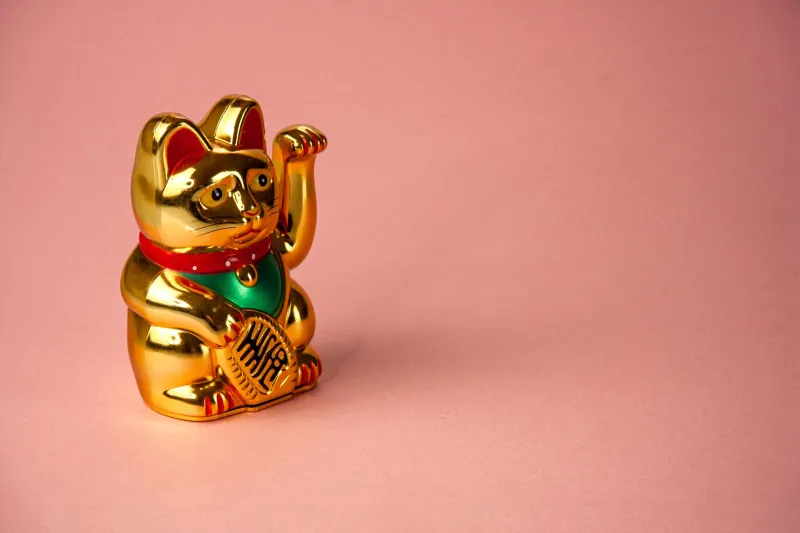
You know the ones. The punter who refuses to play blackjack unless they're wearing a specific pair of thongs. The bloke who insists on logging in from the same armchair, same lamp switched on, same cold tinnie within arm's reach. The woman who always bets in multiples of seven because seven is her number and always has been.
We laugh at these things. And then we do our own version of exactly the same thing.
Superstitious gaming rituals are one of the most universal and least-talked-about habits in Aussie punting culture. They feel personal, harmless, even a bit fun. The problem is they're not harmless — not when they quietly start driving decisions that should be driven by logic, budget, and clear thinking.
And here's where our favourite freshwater crustacean has something genuinely useful to say about all of this.
What the Yabby Knows That Most Punters Don't
The yabby moults. Regularly, repeatedly, and without sentimentality. When its shell — the thing that has literally protected it through every challenge — stops fitting, the yabby doesn't cling to it. It cracks it open, wriggles free, and spends a brief, vulnerable period in a soft-bodied state before the new shell hardens around it.
This isn't a dramatic life event for the yabby. It's just biology. Growth requires shedding what no longer fits.
Now think about your lucky rituals. When did they start? What were you winning — or losing — when they took root? And here's the real question: have you ever actually tested whether ditching them changes anything?
Most punters haven't. Because the rituals feel protective, like a shell. And that's exactly the problem.
How Superstitions Become Invisible Anchors
The psychological term is illusory correlation — the human brain's infuriating tendency to link two unrelated events because they happened close together in time. You hit a decent run on the pokies while wearing your old Port Adelaide scarf. Your brain files that away. Scarf equals wins. Simple as that.
What your brain doesn't file away with equal weight is every single session where you wore the scarf and lost. Or every session where you didn't wear it and came out ahead. Confirmation bias handles the editing, and before long you've got a ritual that feels like it has a track record when really it's just a feeling wearing the costume of a pattern.
The dangerous part isn't the ritual itself. It's what happens when the ritual starts influencing your actual decisions.
Punters who are locked into lucky routines often:
- Avoid sessions when the ritual can't be completed, meaning they're letting a scarf (or a playlist, or a chair) control when they play
- Stay in losing sessions longer because the ritual is in place and surely the luck is about to turn
- Attribute losses to ritual failures rather than examining their actual play — "I forgot to do the three taps, that's why it went sideways"
- Resist genuinely useful strategic changes because changing the approach feels like breaking the spell
That last one is the real killer. If your lucky ritual is making you resistant to actual improvement, it's not a harmless quirk anymore. It's a shell that's stopped fitting.
The Six-Month Reset: Why Timing Actually Matters
Yabbies don't moult on a random schedule. The timing is tied to growth cycles, environmental conditions, and biological readiness. There's a logic to it, even if the yabby isn't sitting there consulting a calendar.
For Aussie punters, six months is a useful rhythm for a ritual audit — roughly aligned with the shift between summer and winter gaming patterns, which genuinely do affect how, when, and why most of us play. Summer tends to bring more casual, social gaming. Winter often means longer solo sessions. The mindset shifts. The bankroll might shift. The games you're drawn to might shift. It's a natural inflection point.
A six-month ritual reset doesn't mean blowing up everything about how you play. It means deliberately, consciously stripping back the superstitious scaffolding and asking what's actually left underneath.
Here's a simple way to run the audit:
List every pre-game habit you have. All of them. The drink, the seat, the music, the lucky number you always include in your bet sizing, the game you always start with to "warm up." Write them down without judgement.
Categorise each one. Is it genuinely strategic (like setting a loss limit before you start), genuinely comfort-based (like playing in a quiet room because you concentrate better), or genuinely superstitious (like the belief that it actually influences outcomes)?
Run one full month without the superstitious ones. Not forever. Just a month. Track your sessions the same way you normally would. See what actually changes — and what doesn't.
Most punters who do this find two things. First, nothing catastrophic happens. Second, and more interestingly, they often play with a slightly sharper focus because they're not mentally managing the ritual checklist in the background.
The Soft-Shell Phase Is Normal — Lean Into It
Here's the bit nobody talks about with the yabby moult: right after shedding, the yabby is genuinely vulnerable. The new shell takes time to harden. That's not a design flaw. It's part of the process.
When you strip back your rituals, there's often a brief period of feeling a bit unmoored. The session starts and something feels off because the scarf isn't there, the playlist isn't running, whatever it is. That discomfort is real, and it's worth acknowledging rather than immediately interpreting as evidence that the rituals were necessary.
Sit with it. Play through it. What usually happens is that within a session or two, you realise you were navigating by a false compass all along — and the actual landscape of the game is clearer without it.
What You're Actually Left With
Strip away the superstition and what's left is the real stuff: your bankroll management, your understanding of the games you play, your ability to read your own emotional state and make the call to step away when it's the right move.
Those things don't need a lucky charm to work. They need practice, honesty, and the occasional willingness to crack open the old shell and grow a new one.
The yabby doesn't mourn the shell it sheds. It's too busy getting on with things.
Maybe there's something in that for the rest of us.